
Systems That Deliver Water Where Needed
Irrigation & Fertilization in Mt Vernon for properties with uneven watering and nutrient-deficient lawns
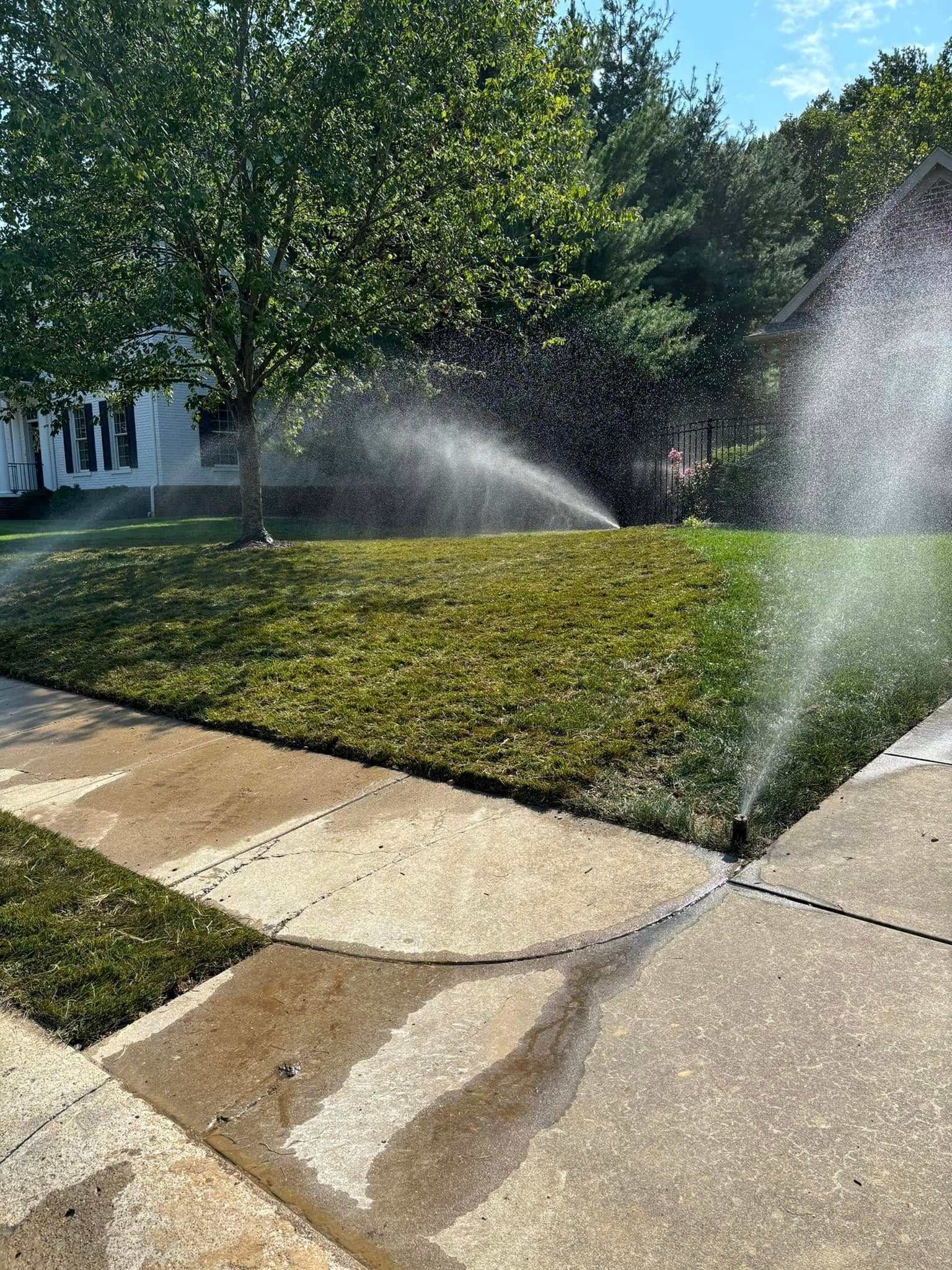
Lawns that stay wet near hose connections but turn brown farther out, or beds where some plants thrive while others struggle in the same row, often point to irrigation coverage gaps rather than plant problems. Circle B LawnCare installs and maintains irrigation systems in Mt Vernon that distribute water evenly across zones with different needs, eliminating the dry spots and overwatered areas that come from manual watering or poorly designed systems. Fertilization programs layer onto irrigation planning because nutrients move through soil with water, making distribution patterns critical to consistent results.
Installation involves mapping head placement to account for pressure variations, slope, and plant water requirements that differ between turf, shrub beds, and garden areas. Maintenance addresses clogged nozzles, broken heads, and seasonal adjustments that match output to changing weather patterns rather than running the same schedule year-round.
Arrange an on-site evaluation to map current coverage gaps and identify zones that need independent control.
How Nutrition Programs Address Soil Deficiencies
Fertilization timing aligns with active growth periods so nutrients are available when plants can actually use them, rather than sitting dormant in soil or washing away during heavy rain. Spring applications support root development and early growth, while late-season feeding helps lawns store carbohydrates before dormancy. The approach varies between cool-season grasses that peak in spring and fall versus warm-season varieties that grow most actively in summer heat.
You'll see more uniform color across turf areas once nutrient deficiencies are corrected, with fewer pale patches or sections that stay thin despite adequate water. Plants in fertilized beds develop stronger stems and fuller foliage because they're not competing for limited soil nutrients. Properly fed landscapes also recover faster from stress events like drought or heavy use, since they have reserves to draw on rather than operating at the edge of survival.
Irrigation systems require periodic adjustments as plants mature and their water needs change, as new construction alters drainage patterns, or when head coverage shifts due to settling. Seasonal care includes winterization to prevent freeze damage to lines and spring startup checks to catch problems before the growing season begins in earnest.
Common Questions About Watering and Feeding
Irrigation and fertilization decisions affect both plant health and long-term maintenance costs, making clarity important before committing to system installation or treatment schedules.
What's the difference between irrigation installation and adding onto existing systems?
New installations require zone planning, trench work for line burial, and controller setup, while expansions tie into existing pressure and control infrastructure, though older systems may need valve upgrades to handle additional zones.
How does fertilization frequency vary by plant type?
Turf typically needs three to five applications per year depending on grass type and use intensity, while ornamental beds may require only one or two seasonal feedings, and native plantings often thrive with minimal supplemental nutrition.
Why do some areas stay yellow despite regular watering?
Yellow turf with adequate moisture often indicates nitrogen deficiency, compacted soil that prevents root growth, or pH imbalances that lock up nutrients even when they're present in soil, all of which require targeted correction rather than more water.
When should irrigation systems be winterized in Mt Vernon?
Systems should be blown out and shut down before the first hard freeze, typically in late October or early November, since water left in lines can freeze and crack pipes or damage valve components.
What maintenance do irrigation systems need during the growing season?
Routine checks include cleaning clogged heads, adjusting spray patterns that have shifted, checking for leaks at connection points, and modifying run times based on rainfall and temperature changes throughout the season.
Circle B LawnCare builds fertilization programs around soil conditions and plant requirements rather than calendar-only schedules. Set up a consultation to review current growth patterns and develop a targeted nutrition plan.