
Properties Designed for Long-Term Visual Impact
Landscape Design & Installation in Mt Vernon for properties requiring updated plantings and structured outdoor features
Circle B LawnCare builds residential and commercial landscapes where planting choices align with local soil conditions and seasonal patterns across Mt Vernon. Natural landscape spaces combine native selections with structured bed layouts to establish growth that remains viable through Indiana's fluctuating temperatures and clay-heavy soils. The design process accounts for drainage flow, sun exposure throughout the day, and mature plant sizes to prevent overcrowding within three to five growing seasons.
Custom landscape design starts with site evaluation to identify existing grade issues, root interference zones, and microclimates that affect plant survival rates. Installation includes soil amendment where compaction or poor drainage would limit root development, placement according to mature width and height specifications, and bed edge definition that prevents mulch migration and lawn encroachment. Each project addresses both immediate visual goals and how the landscape will function as plants reach full size.
Schedule a property evaluation to review site conditions and discuss planting priorities for your space.
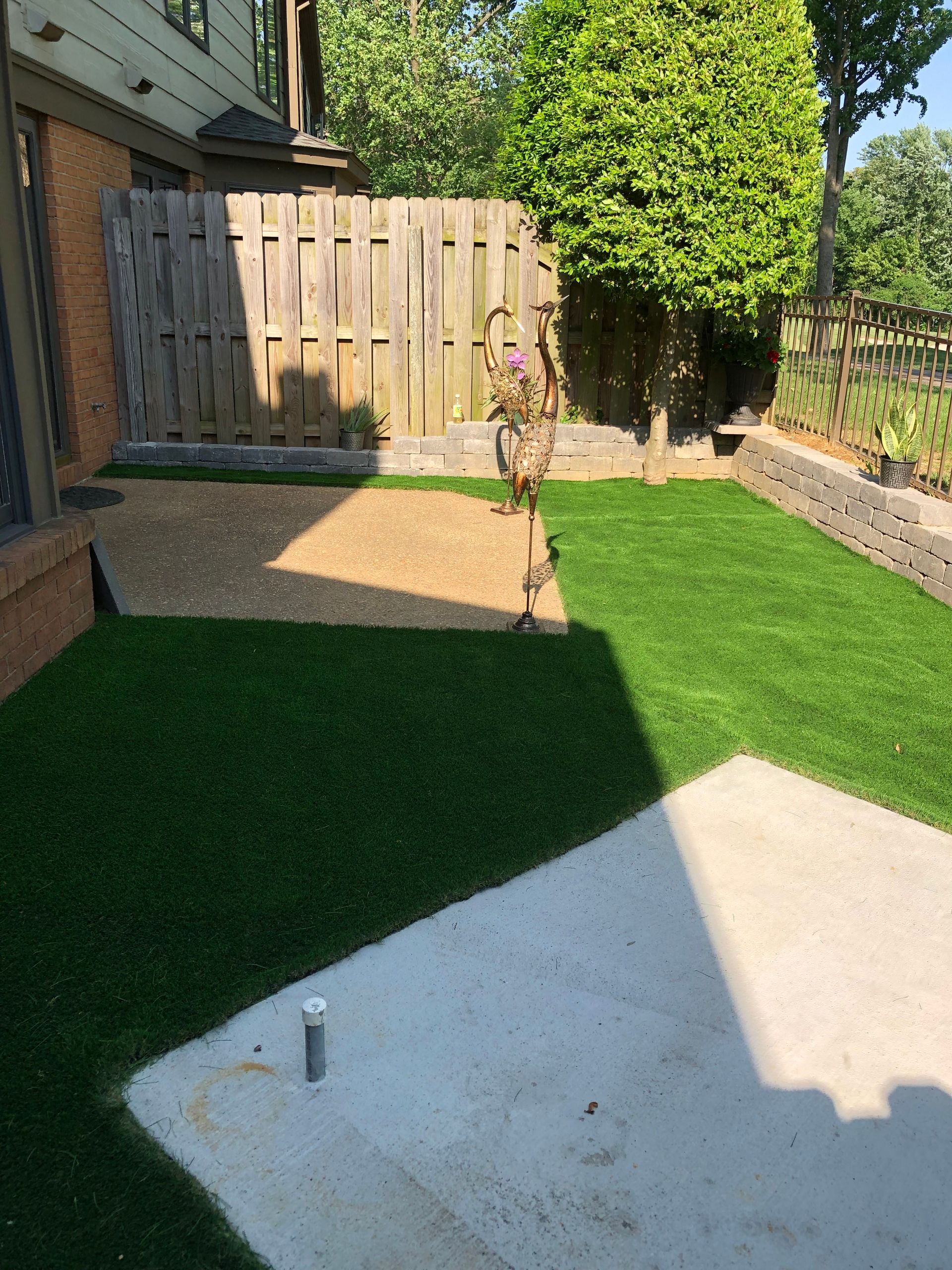
What Proper Installation Requires
New landscape beds begin with excavation to remove turf and establish depth for amended soil and root systems that extend beyond the initial planting hole. Soil testing determines whether pH adjustment or organic matter integration is necessary before plants go in the ground, particularly in areas where clay content restricts water movement. Planting follows spacing that accounts for mature dimensions rather than immediate fullness, which prevents the need for removal or relocation as growth accelerates.
Once installation is complete, you'll notice defined bed edges that separate planted areas from turf, mulch layers that regulate soil temperature and suppress weed germination, and plantings positioned to avoid crowding structures or obstructing sightlines as they mature. Irrigation needs are clearly established so you understand which zones require supplemental water during establishment and which plantings will thrive on rainfall alone after the first season. The landscape functions as a cohesive system rather than a collection of individual plants.
Installation includes initial mulch application and bed edging, but does not cover irrigation system installation or ongoing maintenance contracts. Design revisions during the planning phase are accommodated, but changes requested after materials are ordered may affect project timelines. Plant selection can be adjusted based on availability, with substitutions matched to the original design intent for form, color, and growth habit.
What Property Owners Usually Ask
Questions about landscape design and installation often focus on timing, plant survival, and how the space will develop over multiple seasons.
What happens during the design consultation?
Circle B LawnCare evaluates your property's sun exposure, drainage patterns, and existing vegetation, then develops a planting plan that addresses your visual preferences while accounting for soil conditions and maintenance expectations specific to Mt Vernon's climate.
How do you handle clay soil common in this area?
Soil amendment involves integrating compost or other organic matter to improve drainage and root penetration, particularly in beds where clay content would otherwise restrict water movement and limit plant establishment during the first growing season.
When is the best time to install new landscape beds?
Spring and fall installations allow plants to establish root systems before temperature extremes, though container-grown selections can be planted throughout the growing season with appropriate irrigation during establishment.
What determines plant spacing in the design?
Spacing is calculated using mature plant dimensions rather than current nursery sizes, which prevents overcrowding and eliminates the need for removal or relocation as shrubs and perennials reach full width within three to five years.
How long before the landscape looks filled in?
Perennials typically reach mature size within two to three growing seasons, while shrubs and ornamental trees take longer depending on species, but the landscape is immediately functional with mulch coverage and defined bed lines preventing weed establishment from the start.
Circle B LawnCare develops landscape plans that address both immediate installation and long-term growth patterns across residential and commercial properties. Request a design consultation to review site-specific conditions and planting options for your project.