Preparing Raw Ground for Actual Use
Land Clearing, Bush Hogging & Dirt Work in Mt Vernon for properties with dense undergrowth and uneven terrain
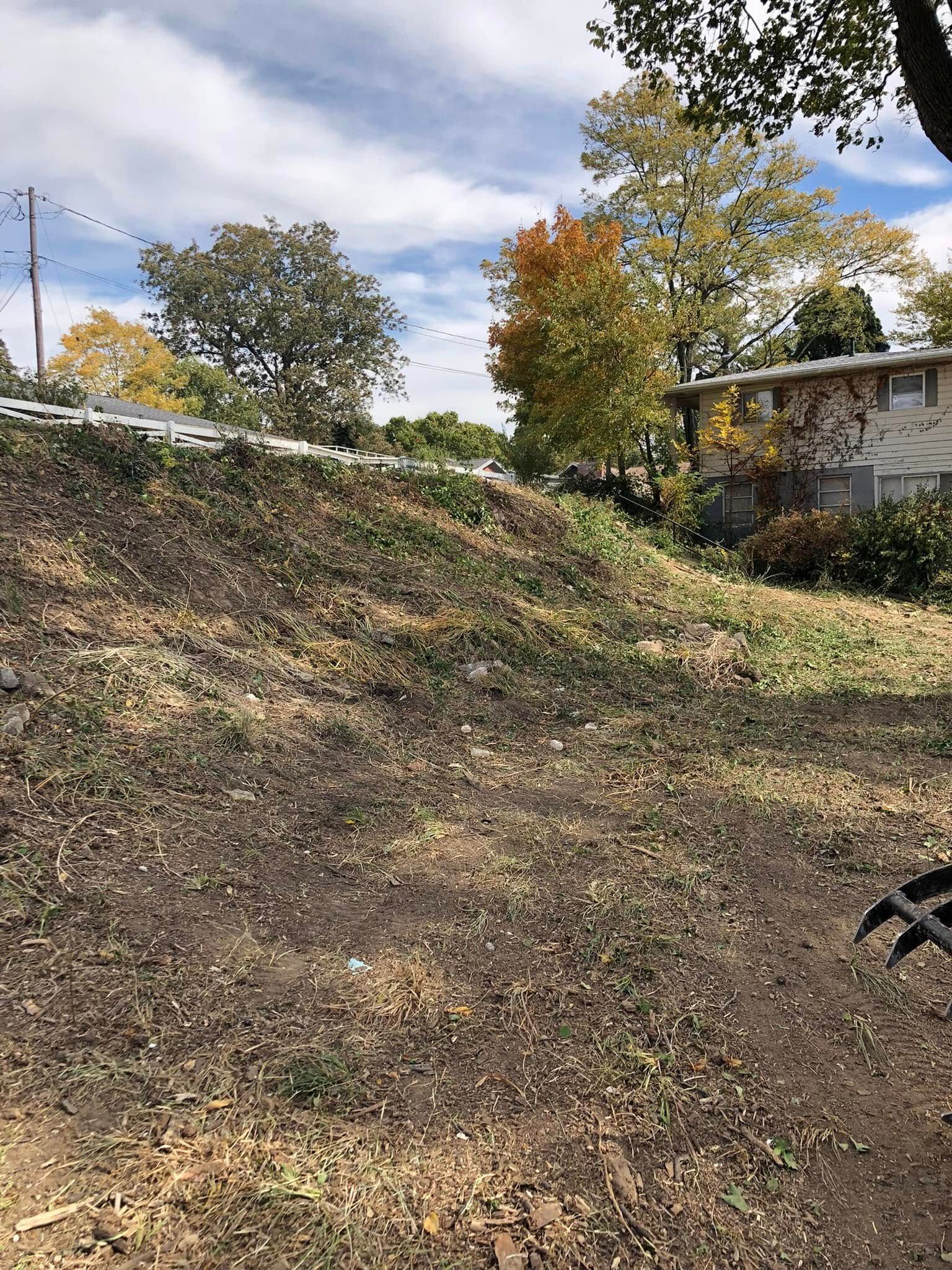
Overgrown lots where saplings, brambles, and tall grasses prevent access, or parcels with uneven grade that creates drainage problems and limits usable space, require mechanical clearing and grading before the ground can support buildings, landscaping, or equipment storage. Bush hogging cuts through vegetation that hand tools can't manage efficiently, while dirt work reshapes the underlying surface to direct water away from structures or create level pads. Circle B LawnCare handles land clearing and grading in Mt Vernon for residential and commercial properties preparing sites for development or reclaiming unused acreage.
The process starts with cutting down standing vegetation to ground level, removing root masses that would interfere with grading, and hauling away brush piles that create fire hazards or pest habitat. Grading follows, using blade work to establish consistent slope for drainage, fill low spots that hold standing water, or cut down high areas that create access obstacles.
Schedule a site visit to assess vegetation density, grade requirements, and access points for equipment movement.
What Proper Grading Actually Accomplishes
Bush hogging clears mature brush, small trees, and thick grasses that would take days to remove with handheld equipment, making it practical to open up large parcels or create firebreaks around structures. The rotary cutting action handles woody stems up to several inches in diameter and processes material in place rather than requiring bundling and hauling at every step. Clearing opens sightlines across property, eliminates hiding spots for wildlife that can damage buildings, and exposes the actual ground surface so drainage issues become visible.
Once dirt work is completed, you'll notice water flowing toward planned drainage points instead of pooling in random low spots or running toward foundations. Level pads provide stable surfaces for outbuildings, parking areas, or equipment placement without the settling and shifting that happens on ungraded fill. Properties gain usable square footage as previously inaccessible areas become functional space, and erosion slows on slopes that have been graded to sustainable angles rather than left at unstable grades.
Brush removal includes hauling away cut material or processing it on-site depending on local regulations, site access, and client preference. Some properties benefit from leaving chipped brush as ground cover in areas that won't be developed, while others require complete clearing for clean-slate conditions. Grading considerations include existing drainage patterns, soil type, and intended use, since surfaces for foot traffic need less compaction than areas that will support vehicle weight.
Questions Before Starting Clearing Work
Land clearing and grading involve significant site changes, and property owners typically need clarity on scope, timing, and outcomes before work begins.
What size property can bush hogging handle in one visit?
Equipment capacity and vegetation density determine daily coverage, but most rotary cutters can process several acres of moderate brush per day, while heavily wooded areas or steep terrain slow progress considerably.
How does grading affect existing drainage?
Proper grading redirects surface water toward designated runoff points and away from structures, but poorly planned work can inadvertently channel water toward foundations or create new low spots, making site analysis critical before moving dirt.
When is the best time to clear land in Mt Vernon?
Late fall through early spring offers advantages because vegetation is dormant, frozen ground supports heavy equipment without excessive rutting, and visibility is better without full foliage obscuring obstacles.
What happens to stumps and root systems after clearing?
Bush hogging removes top growth but leaves root systems intact, which prevents erosion on slopes but may require grinding or chemical treatment if the cleared area will be graded or planted, since roots can interfere with finish work.
Why does dirt work cost vary between properties?
Soil type affects how material moves and compacts, distance to fill or disposal sites adds hauling costs, site access determines equipment options, and grade change magnitude directly impacts the volume of earth that must be relocated.
Circle B LawnCare evaluates site conditions, access constraints, and drainage goals before developing clearing and grading plans. Request a property assessment to understand what's involved in making your land usable for its intended purpose.